Essential Guide to Everest Base Camp Trek in 2026: Comprehensive Insights for Adventurers

Overview of the Everest Base Camp Trek
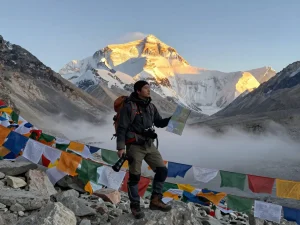
The Everest Base Camp Trek (EBC Trek) offers adventurers a remarkable blend of natural beauty, cultural richness, and personal challenge. Standing at an elevation of 5,364 meters (17,598 feet), Everest Base Camp serves as the principal starting point for ascending the world’s highest peak, Mount Everest. This trek not only provides breathtaking views of towering Himalayan peaks like Lhotse, Nuptse, and Ama Dablam but also immerses trekkers in the vibrant culture of the Sherpa people. The journey is characterized by picturesque landscapes, ancient monasteries, and charming villages, all along well-established trails that enhance the trekking experience. When exploring options, Everest Base Camp remains a popular choice for seasoned trekkers and beginners alike, making it an unforgettable journey through the heart of the Himalayas.
What is the Everest Base Camp?
The Everest Base Camp is not merely a destination; it is a symbol of human achievement and resilience. Situated in the Khumbu region of Nepal, it acts as a launchpad for climbers attempting to summit Mount Everest. The base camp takes trekkers through varied terrains, from lush green forests at lower altitudes to the stark beauty of glaciers and rocky paths at higher elevations. This landmark has become a pilgrimage site for many, as it represents the dreams of countless individuals who aspire to explore the majestic heights of the Himalayas.
Importance of the Everest Base Camp Trek
The Everest Base Camp Trek is essential for several reasons. First, it serves as an opportunity for trekkers to witness the majesty of the world’s highest peak without the need for technical climbing skills. The trek also allows for proper acclimatization, a critical factor in high-altitude trekking. Furthermore, it offers insights into the local Sherpa culture and their way of life, with vibrant villages, ancient monasteries, and the hospitality of the Sherpa people enriching the experience. Lastly, successful completion of the trek provides a sense of achievement and enhances personal growth, empowering trekkers to conquer their fears and limits.
Highlights of the Trekking Experience
- Stunning views of iconic peaks: Mt. Everest, Lhotse, and Ama Dablam.
- Visiting the historic Tengboche Monastery, the largest in the Khumbu region.
- Experiencing the vibrant culture of the Sherpa community.
- Acclimatization days allowing for physical adjustment to altitude.
- Exploring diverse landscapes, from lush forests to stark glacial fields.
Planning Your Everest Base Camp Trek
Planning your trek to Everest Base Camp requires careful consideration of various factors to ensure a safe and enjoyable adventure. This includes selecting the appropriate time of year, securing necessary permits, and choosing a reliable trekking company.
Best Time to Trek Everest Base Camp
The optimal times to embark on the EBC Trek are during the spring (March to early June) and autumn (September to November). Spring sees blooming rhododendrons and clear skies, while autumn offers stunning views of the mountains with less variability in weather. During these periods, temperatures are more favorable for trekking, making the experience more enjoyable. While trekking is possible year-round, it’s crucial to avoid the monsoon season (July to mid-September), when heavy rains can hinder travel and create hazardous trail conditions.
Permits Required for a Successful Trek
Three main permits are required for the EBC Trek: the Sagarmatha National Park permit, the TIMS (Trekking Information Management System) permit, and the Khumbu Pasang Lhamu Rural Municipality permit. These permits ensure that trekkers contribute to the conservation efforts in the region and help maintain the trails and facilities provided along the trek. Obtaining these permits can easily be done through a reliable trekking company that will handle the necessary paperwork and logistics, allowing you to focus on the adventure ahead.
Choosing the Right Trekking Company
Selecting a reputable trekking company is vital for a successful EBC Trek. Look for companies with positive reviews, experienced guides, and a commitment to safety and environmental sustainability. It’s essential to check what is included in the trekking package, such as accommodations, meals, and support staff. A well-organized trek can enhance your experience, allowing trekkers to focus on the journey itself rather than worrying about logistical challenges.
Preparing Physically and Mentally for the Trek
Preparation is key to conquering the Everest Base Camp Trek. Engaging in a structured training regimen will help you build the strength and stamina necessary for the trek. Being mentally prepared for the challenges of trekking at high altitudes is equally important.
Essential Training for Trekking Enthusiasts
A successful EBC adventure requires a good level of fitness and endurance. A training program should involve cardiovascular exercises, strength training, and hiking with a weighted backpack. Aim for at least 5-8 hours of walking per week, progressively tackling longer distances and inclines. This preparation will not only enhance your physical stamina but also acclimatize your body to the type of exertion you will face while trekking.
Acclimatization Strategies During the Trek
Acclimatization is crucial for preventing altitude sickness during the trek. Ensure that you schedule acclimatization days into your itinerary, particularly in locations such as Namche Bazaar and Dingboche. These rest days allow your body to adapt to the thinning atmosphere and reduce the risk of altitude sickness as you ascend higher to Everest Base Camp.
Mental Preparation for High-Altitude Challenges
Mental resilience is just as important as physical readiness. Prepare yourself for the mental challenges of long days of trekking, changing weather conditions, and potential altitude-related discomfort. Maintain a positive mindset and connect with your trekking companions, as camaraderie can boost morale and enhance the trekking experience.
What to Pack for the Everest Base Camp Trek
Preparing the right gear and supplies is vital for a comfortable and successful trekking experience. Your packing list should reflect the specific needs of trekking in the Everest region, addressing both comfort and safety.
Clothing and Gear Essentials
Layering is key when it comes to clothing for the Everest Base Camp Trek. Ensure you bring thermal base layers, moisture-wicking mid-layers, and a waterproof and windproof outer layer. Sturdy trekking boots are essential, along with trekking poles and a durable daypack that can hold your essentials. Don’t forget a warm hat, gloves, and sufficient socks to keep your extremities warm during cold nights.
Food and Nutrition on the Trek
While meals will be provided during the trek, it’s wise to bring additional snacks for extra energy. High-energy bars, nuts, and dried fruits are great options for quick energy boosts while on the trail. Staying hydrated is also crucial, so carry a water bottle and consider bringing purification tablets or a filter system to ensure you have access to safe drinking water.
Communication and Emergency Supplies
While trekking in remote areas, having reliable communication tools is essential. A power bank is recommended for charging devices, and a local SIM card can aid in staying in touch or accessing information. In case of emergencies, a first aid kit is crucial, as well as any personal medications you may require.
Experiences and Insights from Fellow Trekkers
Reading encounters from fellow trekkers can offer invaluable insights into what to expect on your journey. Many share their excitement, challenges, and tips gleaned from their time on the EBC trek, which can help you navigate your own adventure with greater confidence.
Traveler Testimonials and Reviews
First-hand accounts from trekkers often emphasize the breathtaking views and unique experiences encountered along the trail. Many describe the thrill of reaching Base Camp as one of the most rewarding moments of their lives. Testimonials can help prospective trekkers set realistic expectations and understand the logistics of the journey.
Common Challenges Faced on the Trek
Altitude sickness, unpredictable weather, and physical exhaustion are common challenges trekkers might face. Preparing yourself mentally and physically can help mitigate these challenges. Additionally, having a knowledgeable guide who can assess your condition is invaluable as they can provide insights and support when needed.
Unique Experiences at Everest Base Camp
Standing at Everest Base Camp is a moment of awe and reflection. Many trekkers find it a life-changing experience, feeling a deep connection to nature and a sense of accomplishment. Sharing stories and camaraderie with fellow trekkers and the local Sherpas allows for a rich cultural exchange that enhances the journey.