The Importance of Architectural Model Making
Architectural model making is an essential practice within the fields of architecture, urban planning, and construction, acting as a vital tool for visualizing and communicating complex ideas. In the Netherlands, renowned for its innovative approach to design and construction, the role of an architectural model maker Netherlands is critical in successfully conveying concepts to clients, stakeholders, and the general public. These tangible representations of architectural projects allow for meaningful discussions, adjustments in design, and effective problem-solving before the actual construction begins.
Understanding Architectural Models in Construction
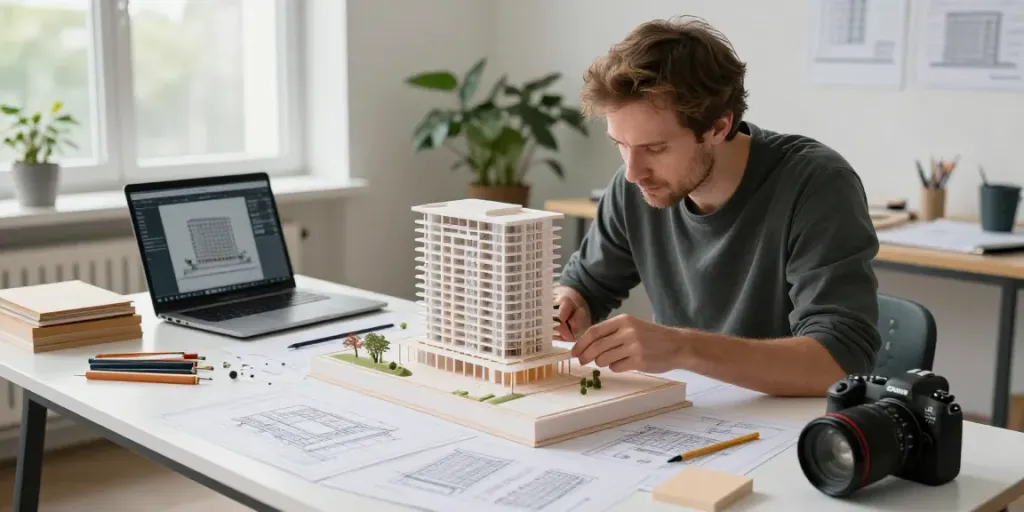
Architectural models serve as physical manifestations of architectural designs, enabling architects and planners to demonstrate their vision clearly. They encompass a variety of scales, from large urban planning models representing entire neighborhoods to intricate scale models of individual buildings. These models facilitate both aesthetic appreciation and functional analysis, allowing stakeholders to engage with a project long before it is realized. The shift towards model making in the Netherlands highlights the necessity for architects to anticipate community responses and address potential challenges early in the planning stage.
Key Benefits of Using Architectural Models
There are numerous benefits associated with utilizing architectural models in the design process:
- Enhanced Communication: Physical models provide a shared reference point that aids communication among architects, clients, and stakeholders.
- Visual Clarity: Complex designs become easier to understand, allowing for thoughtful evaluations and constructive feedback.
- Problem Identification: Potential design flaws can be identified early on, reducing costly modifications later in the project timeline.
- Client Engagement: Models enhance client involvement in the design process, fostering trust and collaboration.
How Models Facilitate Client Communication
Effective communication is crucial in architectural projects, and tangible models bridge the gap between technical jargon and stakeholder understanding. By presenting a three-dimensional perspective, clients can visualize spatial relationships, scale, and design intentions, which are often lost in two-dimensional drawings. This tactile interaction with the model fosters constructive dialogue, enabling architects to align their vision with the client's expectations and aspirations.
Diversity of Architectural Models
In the Netherlands, the diversity of architectural models reflects the unique requirements of different sectors within the construction industry. The variety of models allows architects and designers to choose the most effective format for their particular needs, ranging from industrial applications to urban planning.
Types of Models: Industrial, Environmental, and More
Each type of architectural model serves a specific purpose:
- Industrial Models: Used to represent manufacturing facilities and processes, these models aid in optimizing designs for factories and power plants.
- Urban Planning Models: Large-scale models of neighborhoods or cities assist urban planners in visualizing and optimizing urban structures.
- Environmental Models: These models depict the contextual landscape of a construction site, integrating existing geography into the design process.
- Competition Models: High-detail models created for architectural competitions to showcase the best design concepts.
- Exhibition Models: Designed for trade shows, these models attract interest from potential clients and investors.
- Real Estate Presentation Models: Used by developers to showcase new properties, these models highlight both exterior and interior design to enhance buyer trust.
Case Studies of Successful Model Applications
Across various projects in the Netherlands, architectural models have proven invaluable. For example, during the redesign of public spaces in Amsterdam, urban planning models were pivotal in engaging the community, leading to a design that reflected residents' needs and aspirations. In another instance, industrial models enabled a major factory redesign, significantly improving workflow and efficiency through careful spatial analysis.
Choosing the Right Type of Model for Your Project
When selecting an architectural model, it is essential to consider the project's specific requirements, audience, and purpose. Collaborating with an architectural model maker who specializes in producing different types of models is advisable. They can offer insights into the most effective model for your project, ensuring clarity in communication and enhancing stakeholder engagement.
The Model Making Process
The process of creating architectural models is meticulous and requires a blend of artistic sensibility and technical skill. Each step in model making is integral to producing a high-quality representation of the original design.
Step-by-Step Guide to Creating Architectural Models
- Conceptualization: Understanding the design intent and purpose of the model.
- Material Selection: Choosing appropriate materials based on project requirements and desired aesthetics.
- Scale Determination: Deciding the scale that accurately conveys the project’s vision.
- Model Construction: Building the model using a combination of traditional and modern techniques.
- Finishing Touches: Adding details, textures, and colors to enhance realism.
Essential Materials and Techniques Used
Architectural models can be constructed from a wide array of materials, including:
- Wood
- Plastic
- Foam
- Cardboard
- 3D-printed materials
Techniques utilized for creating models include traditional hand-crafted methods as well as digital approaches involving CNC machining and 3D printing. The choice of materials and techniques often depends on the intended use of the model and the budget available for production.
Collaboration with Architects and Designers
Close collaboration with architects and designers is critical throughout the model-making process. Regular feedback sessions help ensure that the model accurately reflects the project's vision while allowing for any necessary adjustments to be made. This iterative approach not only enhances the quality of the final product but also strengthens the relationship between model makers and their clients.
The Future of Architectural Model Making in the Netherlands
The architectural model-making industry in the Netherlands is evolving rapidly, driven by advancements in technology and increasing demands for sustainable practices. As the construction landscape continues to shift, model makers must adapt to stay at the forefront of innovation.
Emerging Trends: VR and AR Integration
Virtual reality (VR) and augmented reality (AR) technologies are beginning to reshape architectural model making. These tools provide immersive experiences, allowing clients and stakeholders to explore and interact with models in a virtual space. Incorporating VR and AR into model presentations enhances understanding and engagement, making it easier to visualize complex designs.
Focus on Sustainability and Eco-Friendly Practices
As environmental concerns grow, the architectural community is increasingly prioritizing sustainability. Model makers are focusing on using eco-friendly materials and processes, minimizing waste, and considering the lifecycle impact of their products. This commitment to sustainability aligns with broader trends in construction and architecture, ensuring that model making remains relevant and responsible.
Customization and Technology Integration
The demand for personalized solutions is rising, with clients seeking customized models that reflect their specific needs and preferences. Advanced technologies like smart sensors, lighting systems, and interactive features are being integrated into architectural models to showcase the functionality and efficiency of proposed construction projects. These enhancements not only appeal to clients but also allow for more detailed evaluations and presentations.
Conclusion: The Role of Architectural Model Makers
Architectural model makers play a crucial role in bridging the gap between conceptual design and physical realization. Through their expertise, they facilitate communication, enhance client understanding, and contribute to the success of architectural projects. As the industry evolves, staying updated on trends such as VR integration, sustainability, and customization will position model makers for continued success.
Summarizing Key Benefits and Trends
In summary, architectural models are invaluable tools in the design and construction process, offering numerous benefits. The growing importance of technology and sustainability in model making underlines the need for model makers to continuously innovate and adapt to changing market dynamics.
Final Thoughts on Future Developments
The future of architectural model making in the Netherlands looks bright, with increasing opportunities for growth and innovation. As technology continues to advance, model makers must embrace new techniques and materials to remain competitive and relevant in the ever-evolving construction landscape.
How to Choose Your Architectural Model Maker
When selecting an architectural model maker, consider their experience, portfolio, and specialization. A reputable firm will be able to demonstrate a commitment to quality and innovation, ensuring your project benefits from the best practices in the industry.