
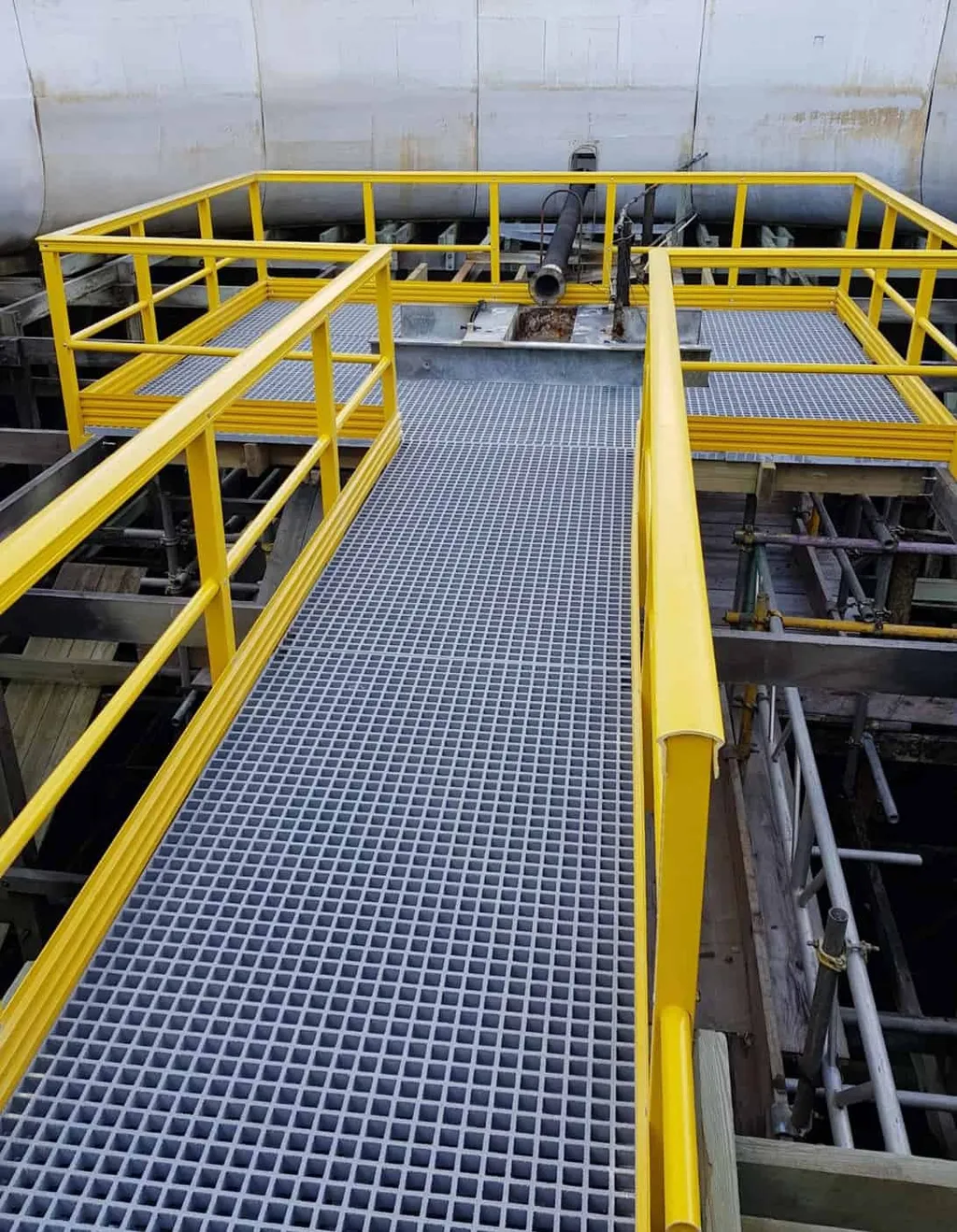
Engineered Composites has supplied glass reinforced plastic products from its Chester base for more than forty years. The company focuses on materials that handle load, weather and chemical exposure without rapid wear. GRP Manufacturer form a core part of the structural range. Glass fibres sit inside a tough polymer resin. The finished sections stay rigid while remaining light. Water does not soak in. Chemicals leave little lasting mark. The material does not conduct electricity. Steel box sections rust in open air. Aluminium can corrode in certain atmospheres. Engineered Composites offers a practical alternative that holds its strength and shape with little ongoing attention.
Production Method for GRP Box Sections
Sections from Engineered Composites begin as continuous pultruded lengths made under steady process control. The glass fibres take the main tensile and bending loads. The resin seals every surface against moisture and chemical attack. Finished pieces weigh far less than steel yet still carry normal structural loads in frames and supports. Square and rectangular profiles cover most needs. Wall thicknesses vary to match the job. The material blocks electrical current completely. No extra earthing is required near live equipment. Coastal salt and industrial fumes leave the surface largely clean. Long sun exposure does not fade the colour or crack the outer layer. Winter cold and summer heat both pass without dropping the load capacity. Accepted fire tests give usable ratings. Impact from tools or light contact rarely leaves permanent set. These traits suit places where metal box sections fail early.
Typical Applications for Box Sections
Factories and process plants use GRP box sections for frames, supports and cable management because they stay safe near wet or chemical areas. Chemical works and water treatment sites gain resistance to spills that strip steel. Rail depots and power compounds value the non-conductive nature near live kit. Marine and coastal structures face salt that speeds corrosion on metal. Access platforms and walkway supports benefit from the light weight and low upkeep. Engineered Composites produces a wide range of standard sizes. Lengths can be supplied cut to size so crews lose less time on site. Matching connectors and fixings complete each system. Colour choices exist when visibility or identification is required. The systems match the real conditions each industry meets every day.
Handling and Whole-Life Costs
Pieces from Engineered Composites tip the scales much lower than steel ones. Teams can often shift them without heavy machines. Delivery costs fall and big lifting gear stays unused on many jobs. Everyday saws cut the material cleanly. Special permits are rarely needed near live equipment. Full kits arrive with connectors and fixings ready. Frames can sit on existing steelwork or form free-standing structures according to the design. Once the box sections are in place they need very little care. A wash now and then clears dirt and deposits. No paint or rust treatment is ever applied. Under ordinary conditions the sections keep working past twenty-five years and often longer. When the repeated cost of replacing steel is counted, the composite route works out cheaper over the full period. Stocks support quick delivery across the United Kingdom.
Advantages Over Traditional Metal Sections
Steel starts strong but loses thickness once corrosion begins. Conductivity forces extra safety steps near electrical plant. Weight makes installation slow and costly. Aluminium is lighter yet still suffers in certain chemical atmospheres. Timber is rarely used for structural box sections because of rot and limited strength. Concrete is solid but heavy and slow to form. Damage is hard to repair without major disruption. GRP box sections from Engineered Composites step past each of these limits. Strength stays high for the weight. Electrical safety comes as standard. Weather and chemicals do not wear them down. The look stays steady without extra coatings. People who add the real costs over fifteen or twenty years often pick the composite path for demanding sites. Engineered Composites keeps taking the place of older materials on more UK jobs each year.
Manufacturing Controls and Supply Reliability
Every batch follows ISO 9001 process checks. The box sections meet the structural rules written in current British and European papers. Rail orders carry the usual industry accreditation. Defence work uses the matching supply-chain registration. Strength figures, stiffness data and size details help with accurate drawings. Engineered Composites turns out both everyday stock pieces and special orders. The fibre amount and resin mix stay the same from one batch to the next so performance stays predictable. Full sheets and drawings go out with each load. This steady method has carried the company through more than forty years and gives project teams clear numbers for important work.
Final Thoughts
GRP box sections have shifted from a special request to a regular choice on many UK industrial and infrastructure jobs. Built-in electrical safety, full resistance to corrosion and very low upkeep fix problems that steel and other metals leave open. Engineered Composites brings long practical experience to each order. The systems keep doing their job for decades while cutting the overall spend. People who once planned for regular replacements now pick composite box sections as the lasting option. Steady stocks, clear technical papers and field results keep supporting the standing of Engineered Composites in the market.
Frequently Asked Questions
What makes GRP box sections non-conductive?
Glass fibres and polymer resin form a complete insulating barrier. No metal path exists for current to travel through the section. This removes the need for extra earthing in many electrical environments and sensitive installations.
How long can GRP box sections stay in service?
Working life usually runs past twenty-five years in normal outdoor and industrial conditions. Only light cleaning is needed along the way. Strength and stiffness remain stable over that period.
Do the box sections suit chemical and rail sites?
Yes. Chemical resistance and non-conductive properties make them a common choice for plants, depots and platforms. They perform well where metal sections corrode or require special isolation.