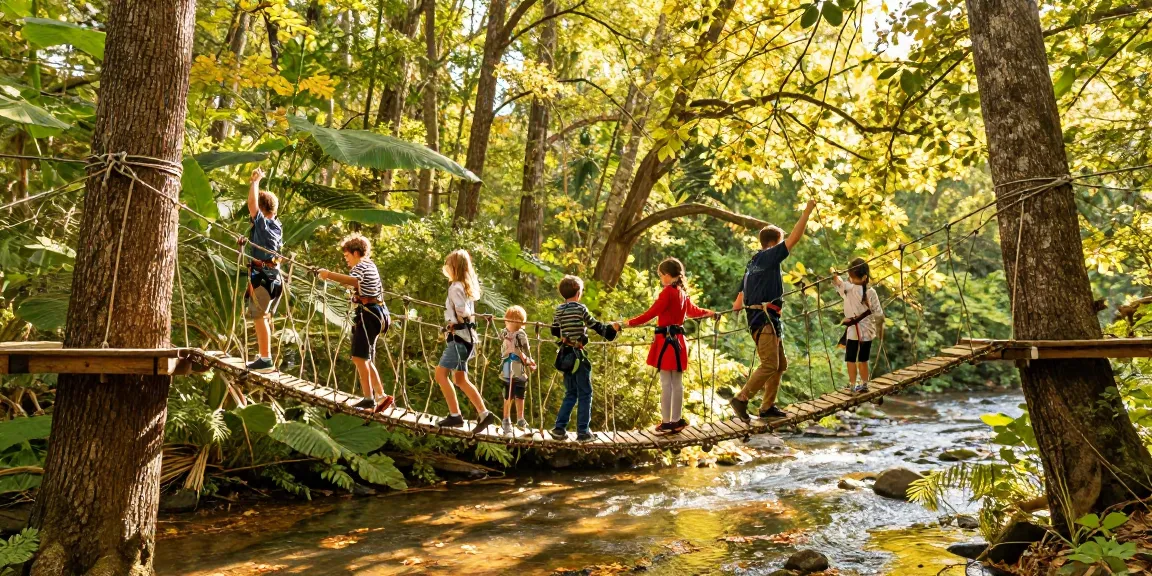
Understanding Rope Bridge Design Fundamentals
When embarking on the journey of constructing a rope bridge, it's essential to grasp the foundational concepts and best practices that define effective design. Rope bridges, often characterized by their unique aesthetic and functional capabilities, can serve various purposes, from providing a scenic crossing in a park to creating an adventure pathway in a garden. Understanding these elements not only helps in successful implementation but also ensures safety and longevity. For comprehensive insights into Rope Bridge design, it's vital to explore various design principles, historical context, and the available materials that influence bridge construction.
What is a Rope Bridge?
A rope bridge is a type of bridge that uses ropes or cables to support the structure. This design can vary significantly, ranging from simple pedestrian crossings to larger, more complex structures that span significant distances. Typically, rope bridges are used in areas where traditional bridges are impractical or where a more adventurous setup is desired. The bridge's design allows for flexibility and can adapt to the landscape's contours, making it an excellent choice for natural settings.
History and Evolution of Rope Bridges
The history of rope bridges dates back thousands of years, with the earliest examples found in the Andes of South America, where indigenous populations constructed them to cross deep gorges and rivers. These early structures were made from local materials, primarily natural fibres and wooden supports. Over the centuries, advancements in engineering and materials science have led to the evolution of rope bridges into more complex designs. Today, they can incorporate modern materials like steel cables and synthetic ropes, enhancing their durability and load-bearing capabilities.
Key Components of Effective Rope Bridge Design
Successful rope bridge design relies on several essential components. Understanding these elements helps ensure the bridge's functionality and safety:
- Anchor Points: The strength and stability of a rope bridge depend heavily on its anchor points, which must be securely embedded in the ground or solid structures.
- Cable Material: The choice of cable is crucial; materials such as nylon, polyester, or galvanised steel offer varying degrees of strength, elasticity, and resistance to environmental factors.
- Decking: The surface of the bridge can be made from wooden planks or metal grating, providing traction and safety for users.
- Support Structure: Incorporating vertical posts or tensioned cables can help distribute the load and enhance the bridge's overall stability.
Types of Rope Bridges Explained
Suspended Rope Bridges vs. Fixed-Beam Rope Bridges
There are primarily two types of rope bridges: suspended and fixed-beam. Suspended rope bridges are supported by cables that are hung between two or more anchor points. They offer flexibility and are particularly effective over varying landscapes. In contrast, fixed-beam rope bridges utilise a rigid framework that doesn’t rely solely on tension cables for support, making them more stable and easier to build in some contexts. Each design has unique advantages and challenges that should be considered during planning.
Choosing the Right Type for Your Project
The choice between a suspended and fixed-beam rope bridge largely depends on the specific requirements of the project. Consider factors such as:
- Site Conditions: The terrain, environmental factors, and the intended use of the bridge.
- Load-Bearing Needs: Assess the maximum weight that the bridge must support, including pedestrian traffic and potential equipment.
- Construction Resources: Availability of materials and tools, along with the skills of the builders, can significantly influence the design choice.
Common Materials Used in Rope Bridge Construction
Material selection plays a pivotal role in the durability and safety of a rope bridge. The most common materials include:
- Natural Fibres: Such as sisal and manila, these materials are biodegradable but may not last as long under harsh conditions.
- Synthetic Ropes: Options like nylon and polyester offer excellent strength and longevity while being resistant to moisture and UV damage.
- Metal Components: Galvanised steel cables and brackets provide structural integrity and are often used for anchor points and cross cables.
Planning Your Rope Bridge Project
Site Assessment and Safety Considerations
Before commencing any construction, a thorough site assessment is essential. This involves evaluating the soil conditions, identifying potential hazards, and considering the environmental impact of the bridge. Safety is paramount; therefore, it is crucial to conduct risk assessments and put measures in place to mitigate any identified risks.
Creating Detailed Design Plans
Creating a detailed plan is the foundation of a successful rope bridge project. This plan should include:
- Scaled diagrams of the bridge and support structures.
- A list of required materials and tools.
- A timeline for construction phases, including inspections and potential downtimes.
Understanding Local Regulations and Permits
It's essential to review local regulations regarding bridge construction, as building permits may be required. Understanding zoning laws and compliance with safety standards will help avoid legal issues and ensure the project meets all necessary guidelines.
Building Your Rope Bridge: Step-by-Step Guide
Gathering Necessary Tools and Materials
Before starting construction, gather all necessary tools and materials. Commonly required tools include drills, wrenches, levels, and safety gear such as helmets and harnesses. Ensure that all materials are of high quality to guarantee long-term durability and safety.
Installation Process: From Groundwork to Final Touches
The installation of a rope bridge follows a systematic process that typically involves:
- Preparing Anchor Points: Securely install anchor points into the ground, ensuring they are stable.
- Setting Up Cables: Install the main cables according to design specifications, ensuring proper tension.
- Constructing the Decking: Lay down the decking materials, ensuring they are securely fastened and meet safety standards.
- Adding Safety Features: Install safety rails or ropes along the sides of the bridge for additional security.
Safety Tips During the Construction Phase
During the construction of your rope bridge, adhere to safety protocols to protect all workers and users. Key safety tips include:
- Always wear appropriate safety gear.
- Ensure that all workers are aware of safety procedures and emergency protocols.
- Conduct regular inspections of equipment and structural integrity throughout the build.
Future Trends in Rope Bridge Design
Innovations in Materials and Techniques
The future of rope bridge design is likely to see advancements in materials, such as the use of high-performance composites and smart materials that can adapt to environmental changes. These innovations could enhance the bridges’ durability and functionality.
Eco-Friendly Rope Bridge Options for Sustainable Design
As sustainability becomes increasingly important, many designers are looking at eco-friendly materials and methods. This includes using reclaimed wood, biodegradable ropes, and techniques that minimize environmental impact during construction.
Emerging Architectural Concepts in Rope Bridge Design
Architects are now exploring creative and unique designs for rope bridges that not only serve a functional purpose but also act as aesthetically pleasing structures that complement their surroundings. This could involve integrating lighting, artistic elements, or biophilic designs that mimic natural forms.
How do I build a rope bridge?
Building a rope bridge involves careful planning, material selection, and adhering to safety protocols. It typically requires foundational anchoring, cable installation, and decking.
What are the different types of rope bridges?
The main types include suspended rope bridges, which rely on cables for support, and fixed-beam bridges, which utilise a rigid structure.
How much does a rope bridge cost?
The cost can vary widely based on design complexity, materials used, and construction methods, ranging from a few hundred to several thousand pounds.
What is the simplest bridge design?
The simplest bridge design is often a single beam or plank across a gap, supported at both ends, which can be constructed using basic materials.
Can I build a rope bridge in my garden?
Yes, a rope bridge can be an excellent addition to a garden, provided that appropriate safety measures are taken and local regulations are followed.