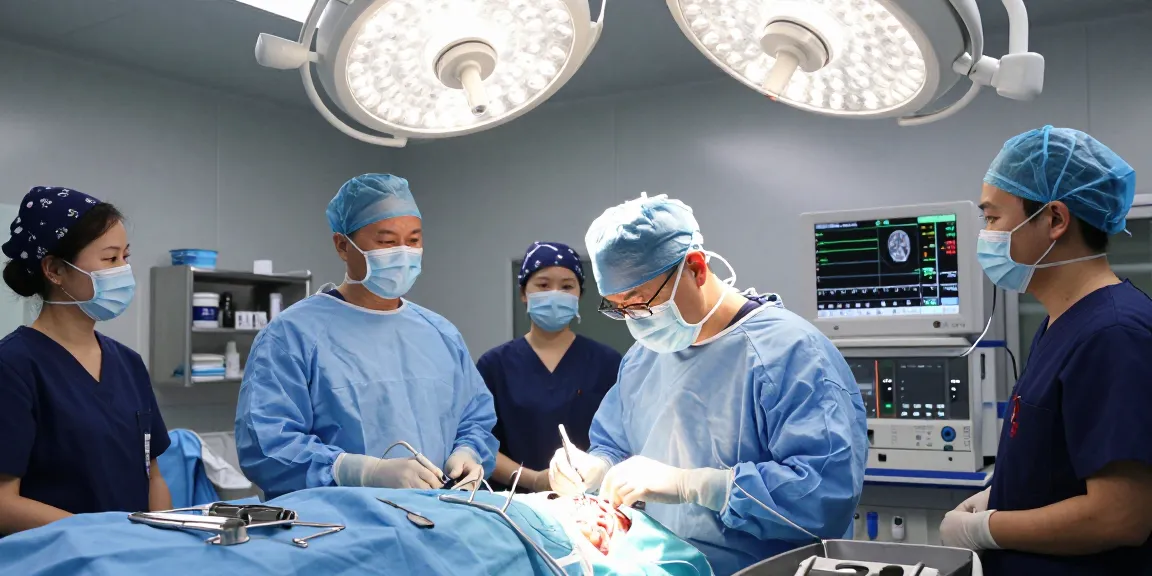
Understanding Brain Surgery (Beyin Ameliyatı)
Brain surgery, or "beyin ameliyatı," is a critical medical procedure designed to treat various serious neurological conditions, including brain tumors, brain hemorrhages, and other life-threatening disorders. As medical technology continues to evolve, the methods and outcomes of brain surgery are improving, offering hope to millions affected by these ailments. Patients and their families often feel overwhelmed by the complexities associated with such procedures, from preoperative evaluations to postoperative care. It is essential to prepare adequately and understand each stage of the process, as well as the potential risks and benefits involved. When exploring options, Beyin ameliyatı provides comprehensive insights into the procedures and expectations.
What is a Brain Surgery?
Brain surgery encompasses various surgical interventions targeting the brain's structure and function. These can include operations to remove tumors, manage traumatic brain injuries, or alleviate pressure caused by bleeding. Surgical techniques can vary widely, from open surgeries like craniotomy to minimally invasive methods such as endoscopic procedures. The ultimate goal of brain surgery is to restore or enhance neurological function while minimizing potential damage to healthy brain tissue.
Common Types of Brain Surgeries
- Craniotomy: An open surgical method where a section of the skull is temporarily removed to access the brain.
- Endoscopic Surgery: Minimally invasive procedures using small instruments and cameras to perform surgery through tiny incisions.
- Awake Craniotomy: A technique allowing surgeons to monitor brain function as the patient is awake, often used for tumor removal near critical areas.
- Decompressive Craniectomy: A lifesaving procedure involving the removal of a portion of the skull to allow for brain swelling.
- Endovascular Procedures: Techniques used to treat vascular brain conditions, like aneurysms, through the blood vessels.
Indications for Brain Surgery
Brain surgery may be indicated for various medical reasons, including:
- Presence of a brain tumor (both benign and malignant).
- Severe head trauma leading to brain swelling or bleeding.
- Abnormalities in blood vessels, such as aneurysms or arteriovenous malformations (AVMs).
- Hydrocephalus, a condition marked by excess cerebrospinal fluid.
- Chronic epileptic seizures not responsive to medication.
Preparing for Brain Surgery
The preparation for brain surgery is multifaceted, requiring thorough evaluations and a solid understanding of what to expect. Patients should engage in discussions with their healthcare provider to address any concerns and ensure they are well-informed about the surgery and recovery process.
Preoperative Evaluations
Before surgery, patients undergo a series of evaluations, including imaging tests like MRI or CT scans, to determine the exact nature and location of the issue. Additionally, a thorough medical history and physical examinations are performed to ensure the patient is fit for surgery. These assessments help the surgical team formulate the best approach tailored to the individual's needs.
Understanding Risks and Benefits
Brain surgery, while potentially life-saving, carries inherent risks. These may include infection, bleeding, and neurological deficits. It is crucial for patients to understand these risks and weigh them against the potential benefits of the procedure, such as relief from symptoms, increased functionality, or improved quality of life.
How to Prepare Physically and Emotionally
Physical preparation may involve optimizing one's health through proper nutrition and managing existing medical conditions. Emotionally, patients should seek support from family, friends, or professional counselors to navigate the anxiety that can accompany surgery. Educating oneself about the process can also be a comforting factor.
During the Brain Surgery Process
Having a clear grasp of the surgical process can ease apprehensions and help patients feel more secure in their decision.
The Surgical Procedure Overview
The specifics of brain surgery can vary significantly based on the type of procedure performed. Generally, the patient is brought into the operating room, where anesthesia is administered, and monitoring equipment is set up to track vital signs throughout the operation. The surgical team then follows the established protocol to perform the procedure effectively.
Technology and Techniques in Use
Modern brain surgery employs advanced technologies, such as intraoperative MRI, neuronavigation, and robotic assistance, enhancing precision and minimizing complications. These technologies allow surgeons to visualize the brain's anatomy in real time, making it easier to navigate complex structures while avoiding critical areas.
Role of the Surgical Team
Brain surgery is a collaborative effort involving a multidisciplinary team. This team usually includes neurosurgeons, anesthesiologists, nurses, and support staff, all of whom play vital roles in ensuring a successful surgical outcome. Clear communication and teamwork are essential components of the surgical process.
Postoperative Care and Recovery
Recovery from brain surgery is a gradual process that requires careful monitoring and a structured rehabilitation plan. Understanding the stages of recovery can help patients recognize what to expect.
Immediate Postoperative Monitoring
After surgery, patients are typically moved to a recovery area or ICU for close observation. Medical staff monitor vital signs, neurological functions, and any pain levels. This immediate care phase is crucial for addressing any complications that may arise shortly after the procedure.
Signs of Complications
Patients and caregivers should be aware of potential signs of complications, including:
- Severe headaches that do not respond to medication.
- Changes in consciousness or confusion.
- Weakness or numbness in limbs.
- Fever or signs of infection.
- Excessive swelling or redness at the surgical site.
Rehabilitation and Long-Term Recovery Strategies
The journey to recovery often includes rehabilitation services such as physical therapy, occupational therapy, and speech therapy. These services aim to restore function and improve the quality of life. Regular follow-ups with healthcare providers are essential to monitor progress and adjust treatment plans accordingly.
Cost and Insurance Considerations
Understanding the financial aspects of brain surgery is crucial for patients and their families as they prepare for treatment.
Factors Influencing Brain Surgery Costs
The cost of brain surgery can vary based on several factors, including the type of procedure, the complexity of the case, the hospital's location, and the surgeon's expertise. Patients should inquire about all potential costs before surgery to avoid unexpected expenses.
Insurance Coverage for Brain Surgery
Health insurance plans often cover brain surgery, but coverage may vary based on the specifics of the policy. It is important to review the insurance plan details and consult with financial counselors to clarify coverage limits and out-of-pocket costs.
Financial Assistance and Resources for Patients
Many hospitals offer financial assistance programs for uninsured or underinsured patients. Exploring these options can help ease the financial burden associated with brain surgery.
What are the Long-Term Effects of Brain Surgery?
Long-term effects of brain surgery can differ significantly among patients, depending on the nature of the surgery and the individual’s health. Some may experience improvement in neurological function, while others might face ongoing challenges, requiring additional support and resources.
How to Manage Pain After Brain Surgery?
Postoperative pain management is crucial for recovery. Patients may be prescribed pain medications and should communicate any discomfort to their healthcare team to adjust pain management protocols as necessary.
What to Expect During Recovery?
During recovery, patients may notice fluctuations in their emotional and physical well-being. Setting realistic expectations, following medical advice, and maintaining open communication with healthcare providers can facilitate a smoother recovery process.
Are There Alternative Treatments to Brain Surgery?
In some cases, alternative treatments such as radiation therapy or medication may be adequate to manage specific conditions. It is essential to discuss all available options with a healthcare professional to make an informed decision.
Common Questions About Brain Surgery Risks?
Patients often have numerous questions about the risks associated with brain surgery. For more information, Beyin ameliyatı offers valuable insights. Engaging in open discussions with medical professionals can help alleviate anxiety and provide clarity on individual concerns.